Encouraging Aging Adults to Embrace Exercise Through Comprehensive Exercise Guidelines
Wiki Article
Remaining energetic is important for people of every age group, but it grows especially significant as people grow older. For elders, routine exercise supports preserving autonomy, supports flexibility, and improves overall well-being. Comprehensive training frameworks offer older adults with structured approaches to physical health that address coordination, range of motion, power, and stamina. By adhering to well-designed fitness programs, elders can elevate their quality of life while reducing the risks of injuries, long-term illnesses, and mental health challenges.
Staying fit for aging individuals is not restricted to strenuous training sessions or intense gym workouts. It concentrates instead on safe, steady, and ongoing activity that fits unique ability levels. Routines such as walking, flexibility drills, chair yoga, and light resistance training aid in retaining joint flexibility and muscle tone. Cardiovascular exercises like water fitness or stationary cycling enhance circulation, which are important for supporting stamina and performance. These forms of activity also promote cognitive wellness, as research have shown that consistent activity can improve recall, mood, and focus.
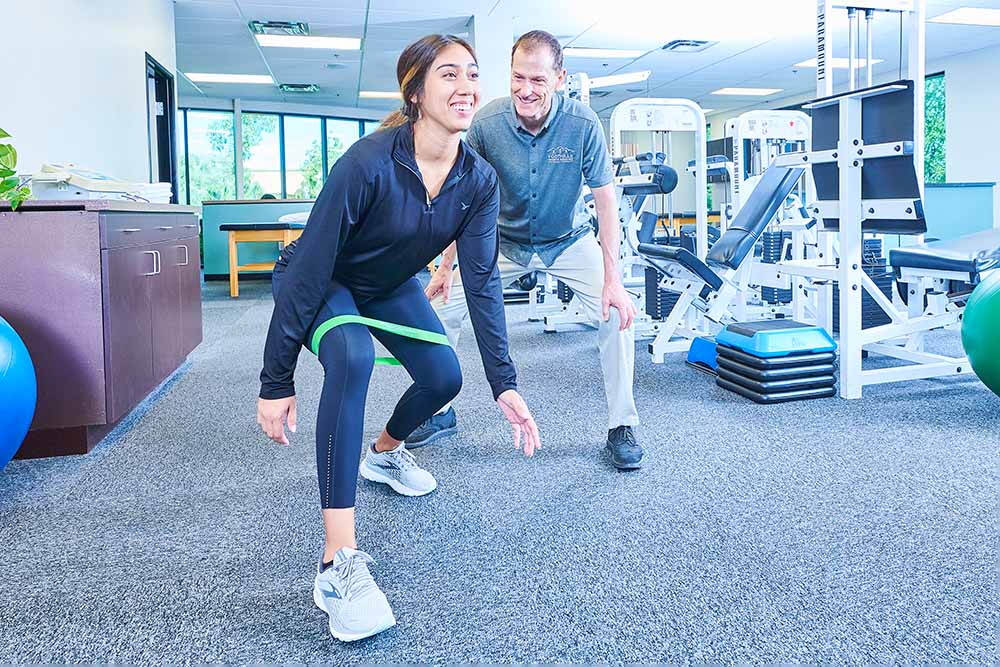
Holistic training plans emphasize a well-rounded approach to health, integrating bodily, Resources psychological, and social factors of lifestyle. Older adults are guided to start gradually and advance at a comfortable pace, maintaining injury prevention while reducing fatigue. Incorporating pre- and post-exercise stretches reduces strain, while proper water consumption and nutrition enhance physical activity. Additionally, group fitness environments—such as community walking clubs or organized group walks—provide opportunities for companionship, engagement, and emotional support, which are just as vital to total wellness.
Qualified instruction acts as a crucial role in supporting seniors build customized training schedules. Consulting healthcare providers, rehabilitation specialists, or exercise professionals ensures that programs are adapted to specific requirements, physical capabilities, and goals. These professionals can suggest effective exercise formats that consider issues such as mobility concerns, skeletal weakness, or heart health concerns. Through regular evaluation and adjustment, training programs continue to be productive and enjoyable, promoting long-term engagement and progress.
Ultimately, enabling elders to embrace fitness through structured fitness frameworks builds a mindset of active aging. When seniors are supplied with understanding, confidence, and organized systems, they develop confidence in their physical abilities and enjoy greater freedom. Regular exercise boosts not only body health but also cognitive health and well-being. tendon repair physical therapy By supporting accessible, professionally structured exercise plans, societies can ensure that every senior has the chance to lead a balanced, vibrant, and rewarding lifestyle.